

What are the differences between can veggies and dried veggies?
Jan 09, 2026
When it comes to the world of vegetables, there are various forms in which they can be preserved and consumed. Two popular options are canned vegetables (can veggies) and dried vegetables (dried veggies). As a supplier of can veggies, I have a deep - seated understanding of the unique characteristics of can veggies and how they stack up against dried veggies. In this blog, I'll explore the differences between these two types of preserved vegetables in terms of nutrition, taste, convenience, and cost.
Nutritional Value
One of the most significant aspects to consider when comparing can veggies and dried veggies is their nutritional content.
Canned vegetables are typically processed soon after harvest. The canning process involves blanching the vegetables, which quickly heats them to a high temperature and then cools them rapidly. This process helps to lock in many of the vitamins and minerals. For example, canned tomatoes are an excellent source of lycopene, an antioxidant that has been linked to a reduced risk of certain cancers. The canning process doesn't significantly reduce the lycopene content, making canned tomatoes a healthy choice. However, it's important to note that some canned vegetables may contain added salt or sugar to enhance flavor and preserve the product. So, consumers need to check the labels carefully.
On the other hand, dried vegetables have a different nutritional profile. The drying process removes most of the water from the vegetables, which concentrates the nutrients. For instance, dried apricots are extremely rich in vitamin A, potassium, and iron. But the high - temperature drying process can lead to some loss of heat - sensitive vitamins like vitamin C and some B - vitamins.
Overall, both can veggies and dried veggies can be part of a healthy diet. Canned vegetables are a great option when you want to ensure a consistent supply of fresh - tasting vegetables with relatively stable nutrient levels, while dried vegetables offer a concentrated source of certain nutrients.
Taste and Texture
The taste and texture of can veggies and dried veggies are quite distinct.
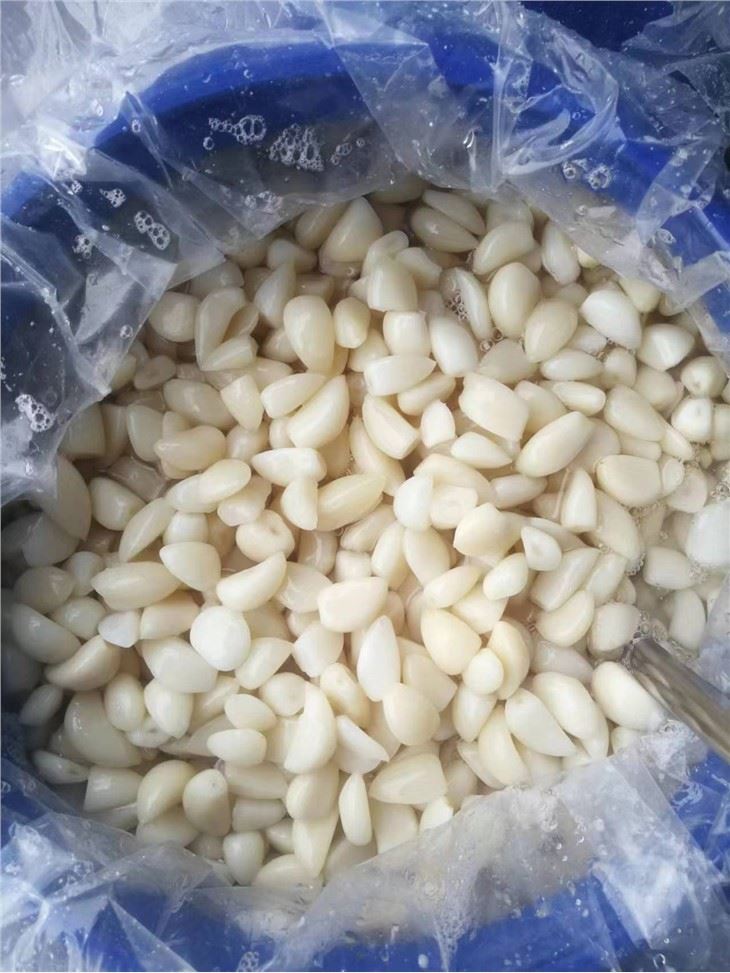
Canned vegetables often have a softer texture compared to their fresh counterparts. This is because the canning process involves heating the vegetables in a liquid, which can break down the cell walls to some extent. However, this also means that they are ready to eat or can be quickly incorporated into a dish. For example, canned beans can be used immediately in a soup or a salad without the need for pre - soaking. The flavor of canned vegetables is often enhanced by the brine or sauce in which they are packed. For instance, Pickled garlic in brine new crop has a tangy and savory flavor that comes from the pickling brine.
Dried vegetables have a completely different mouth - feel. They are very dry and often hard. Before using, they need to be rehydrated, which can take some time. But once rehydrated, they regain a texture that is closer to fresh vegetables. The flavor of dried vegetables is concentrated. For example, dried mushrooms have an intense umami flavor that can add depth to a dish. Mushroom In Drum 73kg /Net Weight 48kg when dried and then rehydrated can bring a rich, earthy taste to a stew or a stir - fry.
Convenience
Convenience is a major factor for many consumers when choosing between can veggies and dried veggies.
Canned vegetables are extremely convenient. They have a long shelf - life, often several years, and can be stored at room temperature. You don't need to worry about refrigeration until after opening. When you're in a hurry, you can simply open a can and use the vegetables right away. This makes them ideal for quick meals, such as a canned vegetable soup or a canned vegetable - based pasta sauce.
Dried vegetables also have a long shelf - life, but they require more preparation. You need to soak them in water to rehydrate them, which can take anywhere from a few minutes to several hours depending on the type of vegetable. This extra step can be a drawback for those who are short on time. However, dried vegetables are lightweight and take up less storage space compared to canned vegetables, which can be an advantage for some consumers, especially those with limited pantry space.
Cost
Cost is another important consideration.
Canned vegetables can vary in price depending on the type of vegetable, the brand, and whether they are organic or not. Generally, they are moderately priced. Since they are already processed and ready to use, the cost includes the processing and packaging. However, buying in bulk can often reduce the per - unit cost.
Dried vegetables are often less expensive than their canned counterparts. This is because the drying process is relatively simple and requires less packaging. They also take up less space during transportation, which can further reduce the cost. But if you factor in the time and energy required for rehydration, the overall cost - effectiveness may vary depending on your situation.
Availability
In terms of availability, canned vegetables have an edge. They are widely available in most supermarkets, grocery stores, and even convenience stores. You can find a wide variety of canned vegetables throughout the year, regardless of the season. This is because canning allows for the preservation of vegetables harvested during their peak season and makes them accessible all year round.
Dried vegetables are also available in many stores, but the selection may be more limited. Some specialty stores or health food stores may carry a wider range of dried vegetables, but they may not be as commonly found as canned vegetables.
Our Can Veggie Offerings
As a can veggies supplier, I pride myself on providing high - quality products. We offer a diverse range of canned vegetables, including Pickled garlic in brine new crop, Mushroom In Drum 73kg /Net Weight 48kg, and High quality of sliced mushroom in brine. Our products are carefully selected and processed to ensure that they retain their nutritional value, flavor, and texture. We use strict quality control measures to guarantee that every can meets the highest standards.
Conclusion
In conclusion, both can veggies and dried veggies have their own unique advantages and disadvantages. Canned vegetables offer convenience, a wide availability, and a relatively consistent nutritional profile, while dried vegetables provide a concentrated source of nutrients, lower cost, and long - term storage benefits.

If you're in the market for high - quality can veggies, I encourage you to reach out for a procurement discussion. We are committed to providing the best products and services to meet your needs. Whether you're a restaurant owner looking to add variety to your menu, a home cook seeking convenient meal options, or a retailer looking to stock a reliable can veggies line, we'd love to hear from you.
References
- USDA FoodData Central. (n.d.). Nutritional information on various canned and dried vegetables.
- Journal of Food Science. Studies on the effects of canning and drying processes on vegetable nutrients.
- Consumer Reports. Guides on the cost, convenience, and quality of canned and dried vegetables.