

Is broccoli good for brain health?
Jul 01, 2025
Broccoli, a cruciferous vegetable known for its distinct appearance and numerous health benefits, has long been a staple in many diets. As a broccoli supplier, I've witnessed the growing interest in this green powerhouse, not only for its culinary versatility but also for its potential impact on brain health. In this blog, we'll explore the scientific evidence behind broccoli's role in supporting cognitive function and overall brain well - being.

Nutritional Profile of Broccoli
Broccoli is a nutritional treasure trove. It is rich in vitamins, minerals, and antioxidants that are essential for various bodily functions, including those of the brain.
Vitamins: Broccoli is an excellent source of vitamin C, an antioxidant that helps protect cells from damage caused by free radicals. Free radicals can cause oxidative stress, which has been linked to neurodegenerative diseases such as Alzheimer's and Parkinson's. Vitamin K in broccoli is also crucial for brain health. It plays a role in sphingolipid synthesis, a type of fat that is abundant in the brain and is important for maintaining the integrity of brain cell membranes.
Minerals: The vegetable contains potassium, which is vital for proper nerve function. Nerve impulses are electrical signals that travel through the body, and potassium helps regulate the electrical activity of cells, including those in the brain. Additionally, broccoli has small amounts of iron, which is necessary for oxygen transport to the brain. A lack of iron can lead to reduced cognitive performance due to insufficient oxygen supply.
Antioxidants: Sulforaphane is a well - known antioxidant found in broccoli. It is formed when an enzyme called myrosinase acts on glucoraphanin, a compound present in the vegetable. Sulforaphane has been shown to have anti - inflammatory and antioxidant properties, which can protect the brain from damage and inflammation. Inflammation in the brain is associated with a variety of neurological disorders, and sulforaphane may help reduce this risk.
Broccoli and Cognitive Function
Numerous studies have investigated the relationship between broccoli consumption and cognitive function.
Memory and Learning: Some research suggests that the antioxidants in broccoli, particularly sulforaphane, may enhance memory and learning abilities. Animal studies have shown that sulforaphane can increase the production of brain - derived neurotrophic factor (BDNF). BDNF is a protein that promotes the survival, growth, and differentiation of neurons. Higher levels of BDNF are associated with better memory and learning, as it helps neurons form new connections and strengthen existing ones.
Neuroprotection: Oxidative stress and inflammation are major contributors to neurodegenerative diseases. Sulforaphane in broccoli has been found to protect neurons from oxidative damage and reduce inflammation in the brain. By doing so, it may slow down the progression of neurodegenerative diseases such as Alzheimer's and Parkinson's. In cell culture studies, sulforaphane has been shown to prevent the formation of amyloid - beta plaques, which are characteristic of Alzheimer's disease.
Mood Regulation: Broccoli also contains folate, a B - vitamin that is important for mood regulation. Folate is involved in the synthesis of neurotransmitters such as serotonin, dopamine, and norepinephrine. These neurotransmitters play a crucial role in regulating mood, and a deficiency in folate has been linked to depression and other mood disorders. Consuming broccoli can help ensure an adequate intake of folate, which may contribute to better mental health.
Incorporating Broccoli into the Diet
As a broccoli supplier, I understand the importance of making this nutritious vegetable appealing to consumers. There are many ways to incorporate broccoli into daily meals.
Raw: Eating broccoli raw is a great way to get the maximum amount of nutrients. You can add raw broccoli florets to salads or make a broccoli slaw. The crunchiness of raw broccoli adds a unique texture to dishes, and it can be paired with a variety of dressings.
Steamed: Steaming is a gentle cooking method that preserves the nutrients in broccoli. Steamed broccoli can be served as a side dish with a sprinkle of salt and pepper, or it can be added to stir - fries. Steaming also softens the broccoli slightly, making it easier to chew and digest.
Roasted: Roasting broccoli in the oven at a high temperature brings out its natural sweetness. Toss the broccoli florets with olive oil, garlic powder, and your favorite herbs, then roast them until they are crispy on the outside and tender on the inside. Roasted broccoli can be served as a snack or as part of a main course.
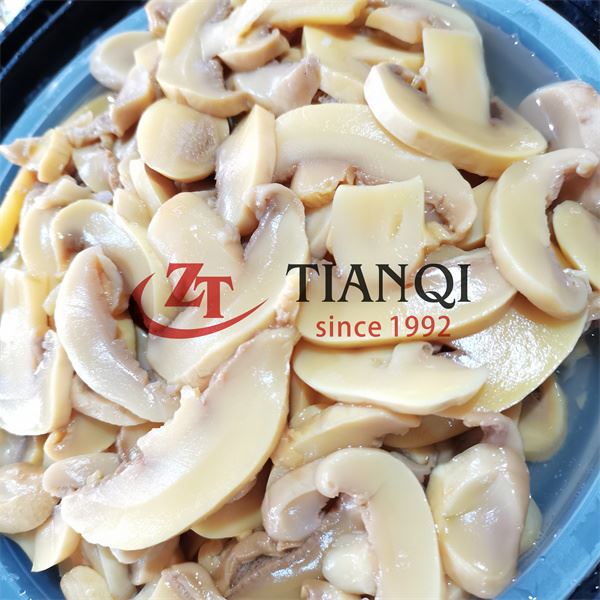
In addition to broccoli, we also offer a variety of other high - quality products. For those interested in mushrooms, we have Sliced Champignon Button Mushroom in Drum, Preserved mushroom salty in drum, and Salted Preseved Mushroom In Drum. These products are carefully selected and processed to ensure the best quality and flavor.
Conclusion
In conclusion, broccoli is indeed good for brain health. Its rich nutritional profile, including vitamins, minerals, and antioxidants, provides a range of benefits for cognitive function, neuroprotection, and mood regulation. Whether you're looking to improve your memory, protect against neurodegenerative diseases, or simply boost your overall mental well - being, adding broccoli to your diet is a smart choice.
As a broccoli supplier, I am committed to providing high - quality broccoli that is fresh, nutritious, and delicious. If you're interested in purchasing our broccoli or any of our other products, I encourage you to reach out for a procurement discussion. We can work together to meet your specific needs and ensure that you have access to the best produce for your health and culinary requirements.
References
- Juge, N., Mithen, R. F., & Traka, M. (2007). Glucosinolate metabolism and its control. Phytochemistry, 68(22), 2713 - 2739.
- Riedl, K. M., & Agarwal, S. (2013). Dietary polyphenols and their role in brain health. Oxid Med Cell Longev, 2013, 692509.
- Sulforaphane and its therapeutic potential for neurodegenerative diseases. (2016). Journal of Neurochemistry, 136(4), 765 - 778.