

Can I substitute frozen corn for canned corn in a recipe?
Aug 08, 2025
When it comes to cooking, ingredient substitutions are a common practice, especially when a particular item isn't readily available. One such substitution question that often arises in the culinary world is whether frozen corn can be a suitable replacement for canned corn in a recipe. As a canned corn supplier, I've encountered this query numerous times from home cooks, professional chefs, and food enthusiasts alike. In this blog post, I'll delve into the details of this substitution, exploring the similarities, differences, and considerations to help you make an informed decision.
Similarities between Frozen and Canned Corn
First, let's look at the aspects where frozen and canned corn align. Both are convenient options that save you the time and effort of shucking fresh corn. They are readily available year - round, regardless of the corn's natural growing season. This means you can enjoy corn - based dishes at any time.
Nutritionally, both frozen and canned corn retain a significant amount of the nutrients found in fresh corn. Corn is a good source of dietary fiber, vitamins such as vitamin C, vitamin B6, and folate, and minerals like magnesium and potassium. Whether it's frozen or canned, these essential nutrients are still present, although the exact amounts may vary slightly due to the processing methods.
In terms of taste, both frozen and canned corn offer a sweet and familiar corn flavor. They can be used in a wide range of recipes, from soups and stews to salads and casseroles, adding that classic corn taste to your dishes.
Differences between Frozen and Canned Corn
However, there are also some notable differences between frozen and canned corn that can impact your cooking.
Processing
Canned corn undergoes a more intensive processing method. It is typically blanched, then sealed in cans with a liquid, which can be water, brine, or a combination of water and sugar. The canning process involves high - heat sterilization to ensure a long shelf - life. This high - heat treatment can cause some loss of nutrients and a change in the texture of the corn kernels.
On the other hand, frozen corn is usually blanched quickly and then flash - frozen. This rapid freezing process helps to preserve more of the nutrients and the natural texture of the corn kernels compared to canning. The blanching step in freezing inactivates enzymes that could cause spoilage and loss of quality during storage.
Texture
The texture of frozen and canned corn is quite different. Frozen corn kernels tend to be firmer and have a more "al dente" quality. When cooked, they hold their shape well and can add a bit of crunch to your dishes. Canned corn, due to the canning process, is often softer and more tender. The kernels may be a bit mushy, especially if they have been in the can for a long time or if the canning process was overly aggressive.
Flavor
While both have a corn flavor, the flavor profile can vary. Canned corn may have a slightly different taste due to the liquid it's packed in. If it's canned in brine, there will be a subtle saltiness. Some canned corn also has added sugar, which can make it sweeter than frozen corn. Frozen corn generally has a more natural, fresh - tasting corn flavor since it's less processed.

Shelf - Life
Canned corn has a much longer shelf - life. It can be stored in a pantry for several years without refrigeration, making it a great option for long - term storage. Frozen corn, on the other hand, needs to be kept in the freezer at all times. If it thaws and refreezes, the quality can deteriorate rapidly, and it may develop ice crystals that affect the texture and flavor.
Substituting Frozen Corn for Canned Corn in Recipes
Now, let's discuss whether you can substitute frozen corn for canned corn in a recipe. The answer is yes, but with some considerations.
Soups and Stews
In soups and stews, substituting frozen corn for canned corn is usually straightforward. The long cooking time in these dishes will help to soften the frozen corn kernels. You may need to add a bit more liquid to the recipe since frozen corn doesn't come with the liquid that canned corn does. Also, keep in mind that the firmer texture of frozen corn may give your soup or stew a different mouthfeel compared to using canned corn.
Salads
For salads, the texture difference becomes more important. If you're making a cold salad, the firmer texture of frozen corn can work well, adding a nice crunch. However, you'll need to thaw the frozen corn first. You can do this by leaving it in the refrigerator overnight or running it under cold water for a few minutes. Canned corn is already ready to use in salads and has a softer texture that may blend better with other salad ingredients.
Casseroles
In casseroles, frozen corn can be a good substitute. You can add it directly to the casserole dish, and the baking process will cook it through. Just like in soups, you may need to adjust the liquid in the recipe slightly. The firmer texture of frozen corn can hold up well in the casserole and prevent it from becoming too mushy.
Considerations as a Canned Corn Supplier
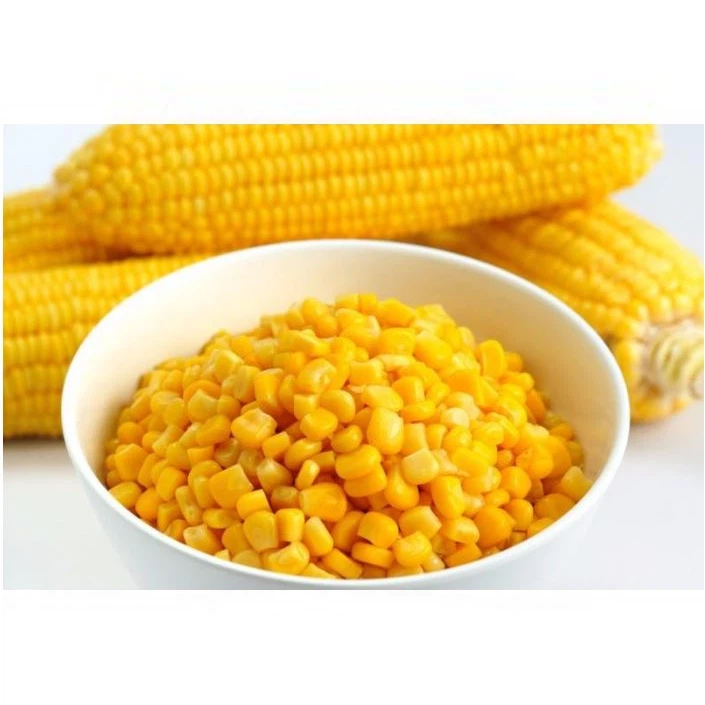
As a canned corn supplier, I understand that each option has its own advantages. Canned corn offers convenience, long - term storage, and a consistent product. Our Golden Whole Sweet Corn is carefully processed to ensure the best quality and flavor. It's packed in a way that preserves the natural sweetness of the corn while providing a tender texture that is perfect for a variety of recipes.
If you're a home cook or a chef looking for other canned options, we also offer Salted Garlic Peeled Garlic in Brine Good Price and Wholesale salted mushrooms in drums. These products, like our canned corn, are processed to maintain high - quality standards and are suitable for a wide range of culinary applications.
When to Choose Canned Corn
There are times when canned corn is the better choice. If you need an ingredient at the last minute and don't have time to thaw frozen corn, canned corn is ready to use right out of the can. It's also a great option for large - scale cooking, such as in restaurants or catering events, where you need a consistent product in large quantities. Canned corn is also more cost - effective in some cases, especially when bought in bulk.
When to Choose Frozen Corn
Frozen corn is a good option if you prefer a more natural, fresh - tasting ingredient. It's also ideal for dishes where you want a firmer texture. If you have the freezer space and can plan ahead, frozen corn can be a great addition to your pantry.
Conclusion
In conclusion, you can substitute frozen corn for canned corn in most recipes, but it's important to consider the differences in texture, flavor, and processing. As a canned corn supplier, I believe that both options have their place in the kitchen. Whether you choose canned or frozen corn depends on your personal preferences, the recipe you're making, and the availability of the ingredients.
If you're interested in purchasing our high - quality canned corn or other canned products, we encourage you to reach out for a procurement discussion. We're committed to providing the best products and services to meet your culinary needs.
References
- "The Science of Cooking: Understanding the Biology and Chemistry Behind Food and Cooking" by Simon Quellen Field.
- "Food Processing Technology: Principles and Practice" by P. F. Fellows.
- Various research articles on corn processing and nutrition from academic journals.