

Can fish be found in the museums?
Dec 26, 2025
Can fish be found in the museums? This question might seem a bit odd at first glance, but when we deepen our exploration, it reveals a multi - faceted answer that intertwines history, culture, and modern commerce. As a can fish supplier, I've had the privilege of delving into the world of preserved fish and understanding its place in different arenas, including museums.
The Concept of Fish in Museum Collections
Museums are treasure troves of human history, art, and science. They house artifacts that tell stories about different eras and cultures. In the context of fish, museums can indeed feature them, but not in the way you might expect. For instance, natural history museums often display preserved fish specimens. These specimens are crucial for scientific research, education, and public awareness. They help us understand the evolution of fish species, their biological characteristics, and their role in the ecosystem.
Some of the earliest fish specimens in museums date back centuries. These specimens were collected by explorers, naturalists, and scientists during their voyages. They were carefully preserved using various techniques, such as taxidermy and formalin preservation. These preserved fish serve as a window into the past, allowing us to study species that may have changed over time or even those that are now extinct.
In addition to natural history museums, cultural museums can also feature fish - related exhibits. For example, in coastal communities, museums may showcase fishing tools, traditional fishing boats, and artworks depicting fish. These exhibits highlight the cultural significance of fishing in these regions, from a source of livelihood to a central theme in local folklore and art.
Canned Fish and Its Role in History and Culture
As a can fish supplier, I'm well - aware of the long - standing history of canned fish. Canning is a preservation method that has revolutionized the way we consume and store food. The process of canning fish began in the early 19th century. It was a response to the need to preserve fish for longer periods, especially for sailors and people living in areas far from the coast.
Canned fish quickly became a staple food in many countries. It was not only a convenient source of protein but also played a role in international trade. For example, sardines, tuna, and salmon were among the first fish species to be canned on a large scale. These canned products were exported around the world, introducing different cultures to new types of fish.
In some cultures, canned fish has become an integral part of traditional dishes. In Mediterranean countries, canned sardines are often used in salads, pasta dishes, and tapas. In Asian countries, canned tuna is a popular ingredient in sandwiches and sushi. The versatility of canned fish has made it a pantry staple in households worldwide.
The Connection between Canned Fish and Museums
While it might be rare to find actual cans of fish in museum collections, the history and cultural significance of canned fish can be represented in museums. Some museums may have exhibits on the history of food preservation, where canned fish can be part of the display. These exhibits can show the evolution of canning technology, from the early days of hand - soldered cans to the modern, mass - produced versions we see today.
Moreover, the packaging of canned fish can also be a subject of museum interest. Vintage canned fish labels often feature beautiful artwork and designs that reflect the cultural and aesthetic trends of their time. These labels can be collected and displayed in museums, providing insights into advertising and graphic design history.
Our Offerings as a Can Fish Supplier
At our company, we take pride in supplying high - quality canned fish. We source our fish from sustainable fisheries, ensuring that we contribute to the conservation of marine resources. Our products are carefully processed and canned using the latest technology to maintain the freshness and nutritional value of the fish.
We offer a wide range of canned fish products, including tuna, sardines, mackerel, and salmon. Each product is packed with flavor and is suitable for various culinary uses. Whether you're looking to make a quick and healthy meal or add a touch of seafood to your favorite recipe, our canned fish is a great choice.
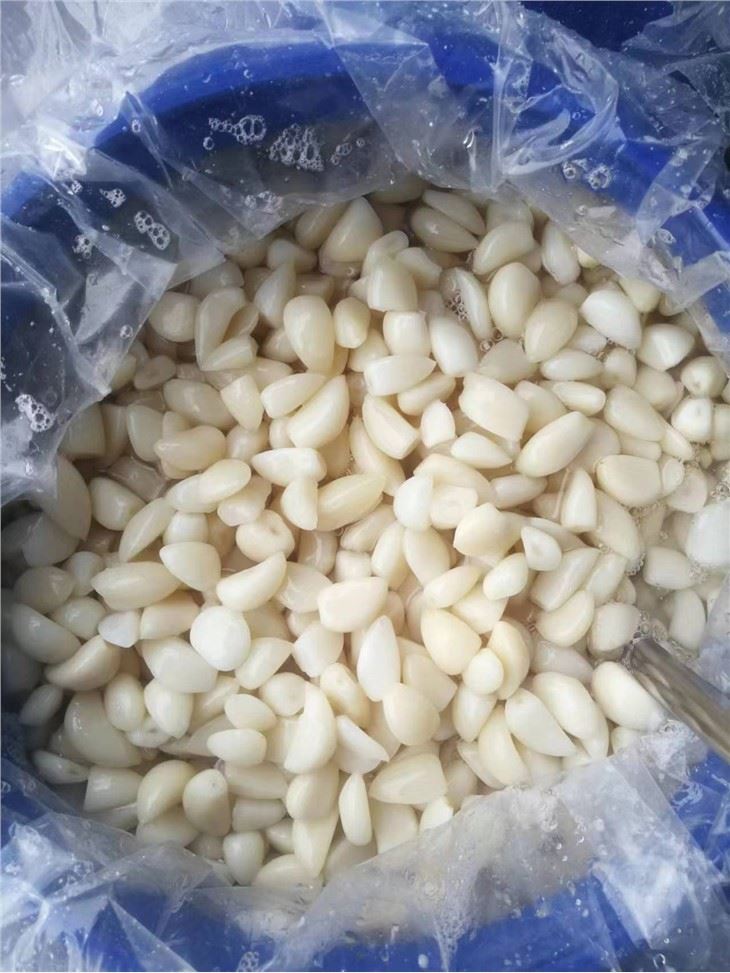
In addition to our core canned fish products, we also offer related items. For those interested in complementary products, we recommend checking out Pickled garlic in brine new crop. This pickled garlic can add a tangy and flavorful element to your canned fish dishes. Another great option is Good for healthy mushroom in drum 48kg. These mushrooms can be paired with canned fish to create delicious and nutritious meals. And if you're a fan of mushrooms, our Canned 100% Champignon Mushroom Pns in Brine is a must - try.

The Future of Canned Fish and Its Place in Culture
As we look to the future, the demand for canned fish is likely to continue. With the growing awareness of healthy eating and the need for sustainable food sources, canned fish offers a convenient and eco - friendly option. It is rich in omega - 3 fatty acids, which are beneficial for heart health, and is often sourced from well - managed fisheries.
In terms of its place in culture, canned fish will likely continue to be a part of traditional dishes and a symbol of convenience. It may also inspire new culinary trends, as chefs and home cooks experiment with different ways to use canned fish in their recipes.
Contact for Procurement
If you're interested in our canned fish products or any of our related offerings, we invite you to reach out for procurement discussions. We're committed to providing the highest quality products and excellent customer service. Whether you're a retailer, a distributor, or a foodservice provider, we can work together to meet your needs.
References
- "The History of Canning" by Andrew F. Smith
- "Fish and Fisheries in History" edited by John R. Gold
- "Cultural Significance of Seafood in Different Regions" by various authors in the Journal of Cultural Heritage and Food Studies