

Can dwarf beans tolerate cold weather?
Jul 31, 2025
Hey there! I'm a supplier of dwarf beans, and I often get asked if these little beans can handle cold weather. Well, let's dig into this topic and find out.

First off, let me tell you a bit about dwarf beans. They're super popular among gardeners and farmers alike. They're easy to grow, don't take up much space, and produce a decent amount of beans. But when it comes to cold weather, things get a bit tricky.
Dwarf beans, like most beans, are warm - season crops. They originally come from regions with a warm climate, so they're used to the heat. The ideal temperature range for their growth is between 60°F and 85°F (15°C - 29°C). When the temperature drops below this range, things start to go south for these beans.
One of the main issues with cold weather is that it slows down the germination process. If you plant dwarf bean seeds in cold soil, they might take a really long time to sprout, or in some cases, they might not sprout at all. The cold can also damage the tender seedlings. Young plants are especially vulnerable, and a sudden cold snap can kill them off.
Even if the dwarf bean plants manage to survive the cold during the early stages, cold weather later in the growing season can also affect their development. The cold can stunt the growth of the plants, making them smaller and less productive. It can also reduce the number of flowers and pods that the plants produce. And let's face it, as a supplier, less pods means less beans to sell!
Another problem with cold weather is that it can make the plants more susceptible to diseases and pests. Cold - stressed plants have a weaker immune system, so they're more likely to get attacked by fungi, bacteria, and insects. For example, a common fungal disease called damping - off can be more prevalent in cold, wet soil. This disease can cause the seedlings to rot at the base and eventually die.
But here's the good news. There are some things you can do to help dwarf beans tolerate cold weather a bit better. One option is to use row covers. Row covers are like little blankets for your plants. They can help trap heat and keep the plants warmer, especially during cold nights. You can also start the seeds indoors a few weeks before the last frost date. This way, you can give the plants a head start and transplant them outside when the weather is a bit warmer.
Mulching is another great technique. A layer of organic mulch, like straw or shredded leaves, can help insulate the soil and keep it warmer. It also helps retain moisture, which is important for the plants' health.
Now, I know you might be thinking, "Well, if dwarf beans don't do well in cold weather, what else can I grow?" That's a fair question. But don't give up on dwarf beans just yet. With the right care and precautions, you can still have a successful crop.
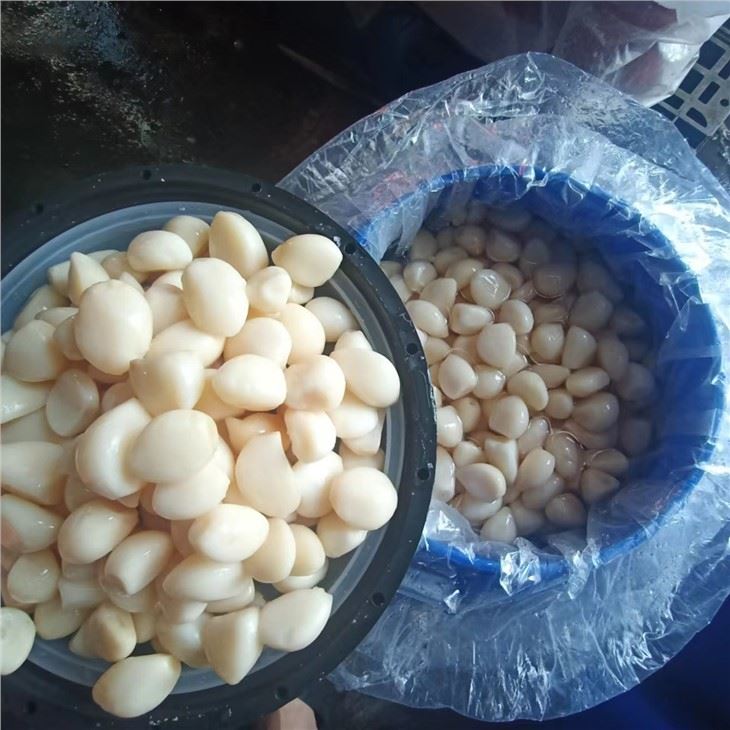
And while we're on the topic of other products, I also want to mention some of the other items we have available. We offer Garlic in brine with drum, which is a great addition to many dishes. The garlic is preserved in brine, so it stays fresh and has a wonderful flavor. We also have Vinegar Preserved Mushrooms China Supplier. These mushrooms are pickled in vinegar, giving them a tangy and delicious taste. And if you're a fan of garlic, our Good taste peeled garlic cloves in brine is a must - try.
If you're interested in purchasing our dwarf beans or any of our other products, we'd love to hear from you. Whether you're a small - scale gardener looking for some seeds or a large - scale farmer in need of a bulk supply, we can work with you. Just reach out, and we can start a conversation about your needs.
In conclusion, while dwarf beans aren't naturally built to tolerate cold weather, with some extra care and the right techniques, you can still grow them successfully even in cooler climates. So don't be afraid to give them a try. And remember, if you have any questions or need more information, feel free to get in touch.
References
- Smith, J. (2020). Growing Beans in Challenging Climates. Gardening Today.
- Johnson, A. (2019). Cold - Weather Gardening Tips. Agricultural Journal.