

Are Pear Cans healthy?
Jul 16, 2025
Are Pear Cans healthy?
As a supplier of pear cans, I'm often asked about the health - related aspects of our products. In this blog, I'll delve into the question: Are pear cans healthy? Let's explore the nutritional value, potential drawbacks, and how they fit into a balanced diet.
Nutritional Value of Pear Cans
Pear cans are a convenient and accessible way to enjoy pears throughout the year. Fresh pears are known for their rich nutritional profile, and canned pears largely retain many of these benefits.
Vitamins and Minerals
Pears are a good source of several essential vitamins and minerals. They contain vitamin C, an antioxidant that helps boost the immune system, protect cells from damage, and aids in collagen production. A single serving of canned pears can provide a notable portion of the recommended daily intake of vitamin C. Additionally, pears are rich in vitamin K, which is crucial for blood clotting and bone health.
Minerals such as potassium are also present in pear cans. Potassium is an electrolyte that helps regulate fluid balance, muscle contractions, and nerve signals in the body. Adequate potassium intake is associated with a reduced risk of high blood pressure and stroke.
Fiber Content
Fiber is an important component of a healthy diet, and pears are a great source of it. The dietary fiber in pears can be divided into soluble and insoluble fiber. Soluble fiber helps lower cholesterol levels by binding to cholesterol in the digestive tract and preventing its absorption. Insoluble fiber, on the other hand, adds bulk to the stool and promotes regular bowel movements, preventing constipation. Even when canned, pears still contain a significant amount of fiber, which can contribute to overall digestive health.
Antioxidants
Pears are rich in antioxidants, including flavonoids and phenolic acids. These antioxidants help protect the body against oxidative stress, which is linked to chronic diseases such as heart disease, cancer, and Alzheimer's disease. Canned pears retain many of these antioxidants, providing a similar health - promoting effect as fresh pears.
Potential Drawbacks of Pear Cans
While pear cans have many health benefits, there are also some potential drawbacks to consider.
Added Sugar
One of the main concerns with canned pears is the added sugar. Many canned pears are packed in syrup, which significantly increases their sugar content. Excessive sugar intake is associated with weight gain, tooth decay, and an increased risk of chronic diseases such as diabetes and heart disease. However, some manufacturers offer pear cans packed in natural fruit juice or water, which reduces the added sugar content. When choosing pear cans, it's important to read the label carefully and opt for products with minimal added sugar.
Sodium Content
Some canned pear products may also contain a small amount of sodium, especially if they are packed in a brine solution. High sodium intake is linked to high blood pressure and other health problems. While the sodium content in pear cans is usually relatively low, it's still important to be aware of it, especially for individuals who need to limit their sodium intake.
How Pear Cans Fit into a Balanced Diet
Despite the potential drawbacks, pear cans can still be a part of a balanced diet when consumed in moderation.
Snacking
Canned pears are a convenient snack option. They can be eaten straight out of the can or paired with other healthy foods such as yogurt, nuts, or cottage cheese. For example, you can top a bowl of Greek yogurt with a few pieces of canned pear and a sprinkle of granola for a delicious and nutritious snack.
Cooking and Baking
Pear cans can also be used in cooking and baking. They can be added to pies, tarts, and cakes, providing a sweet and juicy flavor. You can also use them to make pear sauce, which can be used as a topping for pancakes or waffles. When using pear cans in cooking, you can choose products with less added sugar to reduce the overall sugar content of the dish.
Comparison with Other Canned Foods
When considering the healthiness of pear cans, it's interesting to compare them with other canned foods. For example, Canned Whole Kernel Sweet Corn Healthy is another popular canned product. Like pear cans, canned corn also retains many of its nutrients, including vitamins, minerals, and fiber. However, canned corn may also have added salt and sugar in some cases.
Canned Mushroom Whole 400g in Brine is a different type of canned food. Mushrooms are low in calories and high in nutrients such as vitamins B and D, as well as antioxidants. However, the brine in which they are packed may increase the sodium content.
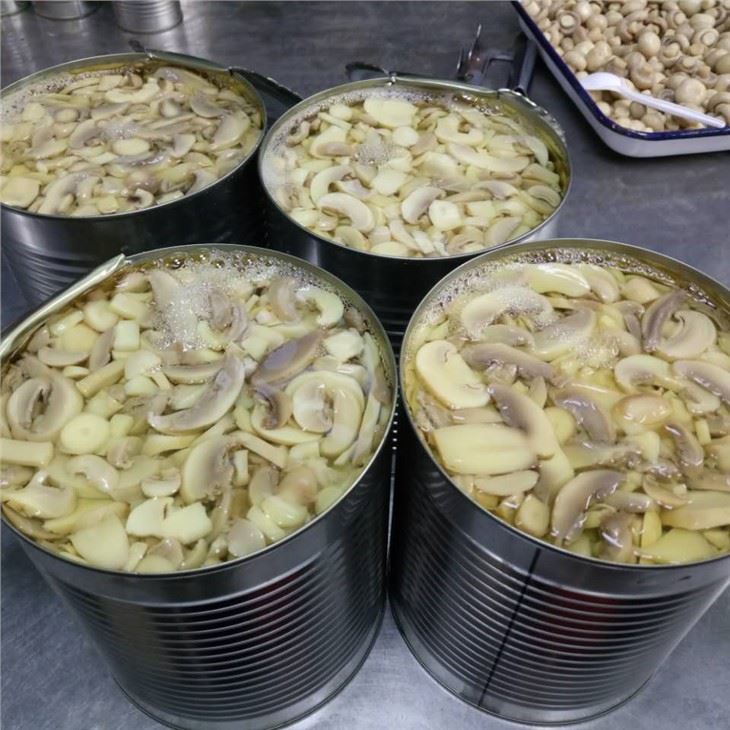
Delicious button mushroom in Brine in drum is also an option. Similar to other canned mushrooms, it has its own nutritional value but may also have a relatively high sodium level due to the brine.

Conclusion
In conclusion, pear cans can be a healthy addition to your diet when chosen wisely. They offer many of the same nutritional benefits as fresh pears, including vitamins, minerals, fiber, and antioxidants. However, it's important to be aware of the potential drawbacks, such as added sugar and sodium. By reading labels and choosing products with minimal added ingredients, you can enjoy the convenience of pear cans while still maintaining a healthy lifestyle.
If you're interested in purchasing high - quality pear cans for your personal use, business, or any other purpose, we're here to assist you. We take pride in providing top - notch pear can products that are carefully processed to retain the maximum nutritional value. Feel free to reach out to us for more information about our product range and to start a procurement discussion.
References
- "The Nutrition Source" by Harvard T.H. Chan School of Public Health
- "Dietary Guidelines for Americans" published by the U.S. Department of Health and Human Services and the U.S. Department of Agriculture
- Research studies on the nutritional value of canned fruits and vegetables from peer - reviewed scientific journals.